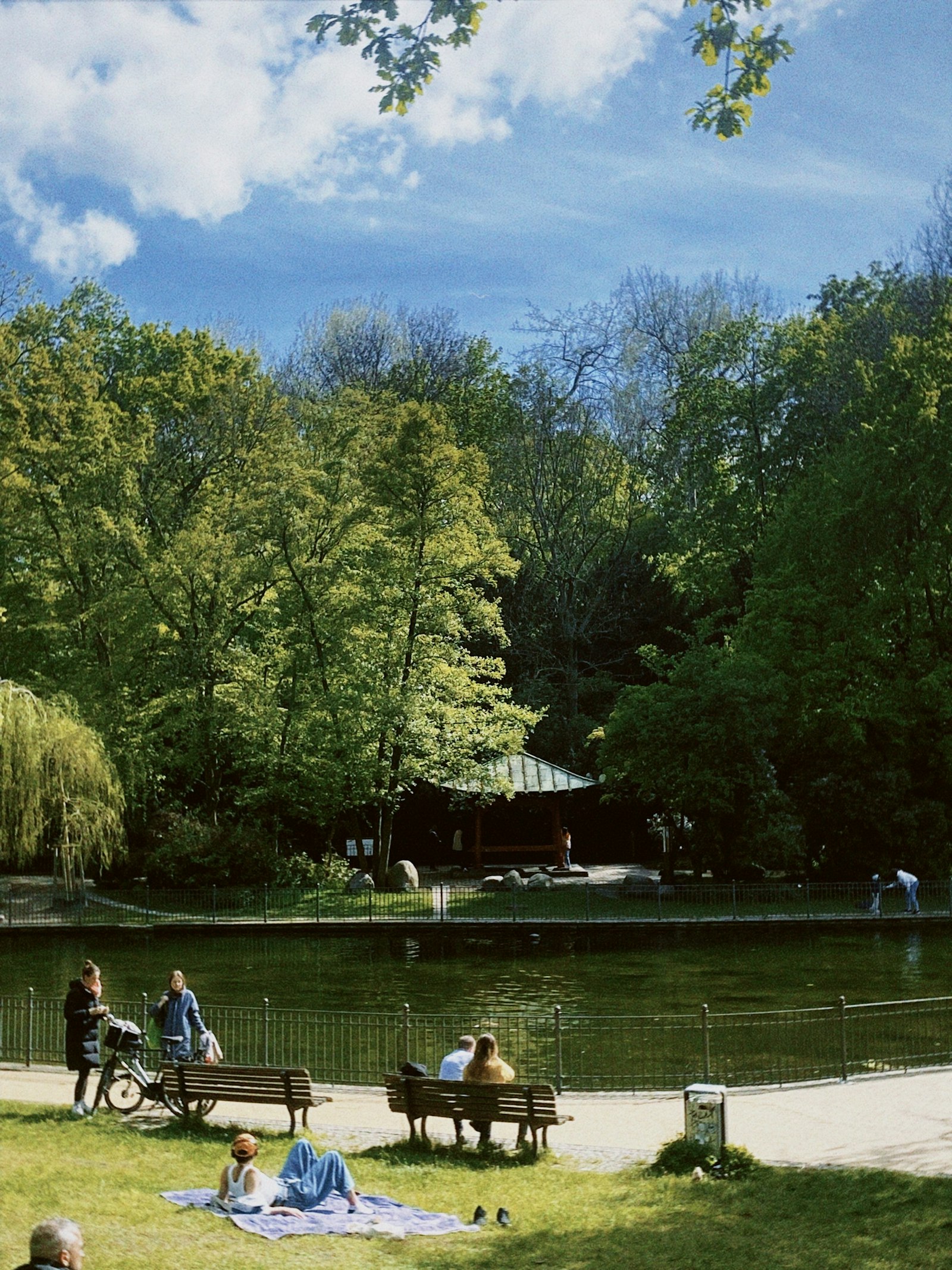
A good hobby guide for Berlin should help someone do more than admire the idea of community from a browser tab. It should make the first step feel possible: what to try, where to start, what to check before going, and how to choose a group that fits real life rather than a fantasy version of it.

This guide looks at neighborhood hobby communities and hobby-led community in Berlin with a practical lens: beginner-friendly formats, local planning realities, useful places to check, and the social details that help strangers become familiar faces.
The real search behind “Useful Neighborhoods in Berlin for Small Hobby Communities”
When someone searches for hobby meetups in Berlin, they are usually asking several questions at once. What can I do here? Where do people like me go? Can I arrive alone? Will the group be friendly to beginners? Is this a serious club, a casual gathering, or a mysterious social experiment with snacks?
Those questions deserve better than a thin list. A useful guide should explain the social reality of the city, the beginner path, a useful types of activities, and the small details that make people feel safe enough to show up.
Why Berlin is suited to hobby-led connection
Independent, creative, international, and allergic to forced cheerfulness, Berlin has the ingredients for strong hobby communities. Berlin rewards small, specific invitations: a Sunday walk, a beginner photo loop, a calm board game night, a language table that does not pretend many people is already fluent. People can be open and private at the same time here, which makes hobby-first meetups useful. The activity does the first handshake for you.
A useful local groups respect the mood of the city. In Berlin, that means choosing formats that feel real, repeatable, and easy to understand. People are more likely to return when the promise is modest and true: a walk, a table, a class, a small creative session, a shared route, a recurring hour.
Hobbies worth trying first
Some hobbies are easier entry points because they give people something to do while conversation warms up. Start with activities that make room for beginners and do not require a dramatic purchase before you even know whether you enjoy them.
- Walking or hiking around places like Tempelhofer Feld, Tiergarten, or Museum Island
- Photography walks through Kreuzberg, Prenzlauer Berg, or other visually rich neighborhoods
- Language exchange tables with simple prompts and mixed levels
- Board game nights where the rules are taught patiently
- Cooking, food walks, or market trips where conversation has somewhere delicious to go
- Meditation, yoga, or breathwork for people who want calmer social spaces
- Creative workshops such as sketching, collage, writing, music, or dance
- Volunteer projects where shared values turn into practical action

The right first hobby is usually the one with the lowest honest barrier. If someone needs expensive equipment, specialist language, and a heroic commute, they may admire the idea and still rarely go. If the first step is clear enough to try this week, the odds improve. That is why walking, language exchange, casual games, beginner workshops, and food-based gatherings work so well as early community builders.
Three example paths for different personalities
For the quiet newcomer
Start with an activity where silence is allowed. A walking group, sketching session, museum visit, or photography walk lets conversation happen in small pieces. You can participate without performing. That matters for people who want connection but do not want to walk into a room and immediately audition for friendship.
For the social organiser
If you naturally bring people together, keep the first event smaller than your ambition. Six to ten people is often enough. Choose one clear activity, one location, and one repeatable format. The goal is not to prove the city is ready for a movement by next Tuesday. The goal is to create something people can understand, enjoy, and repeat.
For the restless explorer
If you like trying everything, use hobbies as a map of the city. One week can be a food walk, another a language table, another a park workout, another a drawing session. That variety is not flaky if you approach it with intention. It becomes a way to learn which communities, neighborhoods, and rhythms actually fit your life.
How to choose the right group
Look for clarity. A good listing or invitation should tell you the activity, level, location, cost, duration, group size, language, and what happens if the weather, transport, or life itself decides to be dramatic. Vague invitations create unnecessary nerves. Clear ones make people brave.
Also consider your own energy. If you are new to Germany, returning after time away, or simply tired of social scenes that feel like auditions, choose hobbies where you can participate before you have to perform. A walk, workshop, class, or game table is kinder than a room where the only task is to be fascinating on demand.
The host matters more than the logo
A strong hobby host does not need to be a celebrity, expert, or motivational speaker. A useful hosts are clear, kind, and organized. They know how to welcome someone arriving alone, explain the plan, and move the group into the activity before the first ten minutes become awkward.
- Start with a simple welcome and the plan for the session
- Use names only when the group is small enough for names to matter
- Pair newcomers gently instead of leaving them to float
- Keep the activity moving so conversation has a natural rhythm
- End with a clear next step for anyone who wants to return
This is where many communities succeed or fail. People remember how they felt in the first ten minutes. Did someone explain the plan? Did the group make room for late arrivals without letting the whole session collapse? Did beginners feel normal? The answers decide whether a hobby meetup becomes a repeat habit or a one-time experiment.
Where Kumele fits naturally
Kumele is built from the ground up for hobbyists. Kumele is built around hobby-based matching by hobbies, age, and location: people build a profile around what they enjoy, then get matched by hobbies, age, and location. That confirmed positioning matters because the right hobby is only half the story. The right nearby people make it easier for shared interests to become real-life connection, not another chat thread that dies quietly after three polite messages.
That does not mean every article should talk about Kumele from top to bottom. The better editorial approach is to teach first. Help the reader understand the hobby, the city, the beginner path, and the social reality. Then, when they are ready to act, Kumele becomes a practical bridge from reading to meeting.
Neighborhood thinking in Berlin
Neighborhoods matter because community is partly convenience. If a group meets near Tempelhofer Feld, it may attract a different rhythm than one near Kreuzberg or Neukolln. That is not good or bad. It is simply human. People return to places that fit their routes, budgets, confidence, and daily lives.
For early hobby communities, repeatability beats spectacle. A monthly walk, weekly language table, or small creative circle in the same area can become familiar faster than a huge event that changes location every time. Familiarity is underrated. It is the quiet engine of belonging.
An unbiased hobby guide should also point readers outward. Local public-space, culture, and visitor resources can help people check opening times, access, transport, and venue rules before suggesting a meetup:
- Visit Berlin parks and gardens
- Tempelhofer Feld visitor information
- Stiftung Preussischer Kulturbesitz museums
Related Kumele guides for Berlin
Use these related Berlin guides to move from the big picture into a specific hobby:
- Meditation Meetups in Berlin: Calm Ways to Meet People
- Walking and Hiking Groups in Berlin: Beginner-Friendly Ideas
- Photography Walks in Berlin: Meet People With a Camera and Curiosity
- Language Exchange in Berlin: A Friendlier Way to Practice
- Outdoor Fitness and Cycling Meetups in Berlin
- Yoga and Breathwork Meetups in Berlin: Gentle Social Wellness
- Board Game Nights in Berlin: Low-Pressure Social Meetups
- Art Workshops in Berlin: Creative Ways to Find Your People
- Book Clubs in Berlin: Small Conversations That Actually Go Somewhere
- Food and Cooking Meetups in Berlin: Eat, Learn, Connect
- Volunteer Meetups in Berlin: Community Action Through Shared Interests
- Music and Dance Meetups in Berlin: Social Energy Without the Awkwardness
A broad city guide is useful only if it helps readers choose a real next step. Someone exploring Berlin may start with the big picture, then move into a specific hobby such as walking, language exchange, board games, food, photography, or meditation. A useful path is the one that reduces uncertainty instead of adding more tabs to the pile.
Helpful links should feel like doors, not traps. When a related guide explains a specific hobby more clearly, point the reader there. When an external city resource is better for opening times, park rules, access, or transport, send the reader outward with confidence. Trust grows when a guide behaves like a guide.
How to start without overthinking it
Pick one hobby. Pick one beginner-friendly format. Pick one clear location. Write the invitation as if the person reading it is interested but nervous. That means fewer grand claims and more practical details: “We will meet outside the main entrance, walk for 45 minutes, and stop for coffee after if people want to.” Magic? No. Effective? Very often.
If you are joining instead of hosting, choose one group and give it a fair chance. Not every first meetup becomes a friendship story you tell at a wedding. Sometimes it is just a decent hour with decent people. That still counts. Community is built through repetition, not one cinematic evening under well suited lighting.
What a useful listing should tell people
A strong hobby listing should answer the questions people are too polite to ask. Can I come alone? What does beginner-friendly actually mean? What should I bring? Is there a cost? Is the location accessible by public transport or ride-hailing? What language will people likely use? Can I leave early without making it weird? These details may not look glamorous, but they are what turn interest into attendance.
For Berlin, this practical layer is especially important because people may be dealing with new routines, new neighborhoods, language differences, traffic or transport decisions, and the simple fatigue of adult life. A good hobby guide respects that. It does not pretend many people is waiting around with unlimited time and a perfectly charged social battery.
What will make these guides more useful over time
For Berlin, the strongest measure is whether the content helps real people choose a hobby, understand a local scene, and feel less awkward about showing up. The guide should become more specific as real questions appear: what beginners ask, which details hosts forget, which locations work, and which formats people actually repeat.
As Kumele grows, future updates should come from confirmed local experience: real host questions, member feedback, owned photos, and practical examples. Until then, the safest editorial standard is to be useful without pretending to know what has not been verified.
Helpful questions before you join or host
What is the easiest hobby to start in Berlin?
The easiest hobby is usually the one that needs the least equipment and has the clearest first step. Walking, language exchange, casual games, sketching, food walks, and beginner wellness sessions are strong starting points because people can participate without proving themselves first. A useful choice is not the trendiest one. It is the one you can repeat without negotiating with your entire life.
Should I join as a guest or create something as a host?
If you are still learning the local scene, join as a guest first and pay attention to what makes you comfortable. If you already know the activity and can explain it simply, hosting may be the better move. A host does not need to be well suited. A host needs to be clear, kind, and honest about the level, place, cost, and plan.
How does matching improve hobby meetups?
Matching helps because hobbies are personal, but logistics are practical. Two people may both like photography, but if one wants an advanced night shoot across town and the other wants a beginner phone walk near home, the match is weak. Age and location context can make the first meeting feel more relevant, especially for people who want nearby, repeatable connections rather than one-off events.
Final thought
Berlin does not need another vague promise that community is out there somewhere. It needs small, practical doors into real life. Hobbies are one of a useful doors we have: gentle enough for beginners, specific enough for search, and human enough to keep people coming back.
Start with curiosity. Add a place, a time, and a few people who care about the same thing. That is the beginning of a hobby community, and it is the kind of real-life connection Kumele is being built to support through hobby, age, and location matching.
Join the early hobby matching waitlist in your city
Join the early hobby matching waitlist in your city. Choose your city and the hobbies you want to try so Kumele can see where local demand is strongest first.
Start with the hobby groups near me guide, the hobby friends guide, or the main hobby guide.
Plan your next hobby step
Keep going with Kumele’s core guides: hobby ideas, hobby groups near me, hobby friends, and the city homepage.