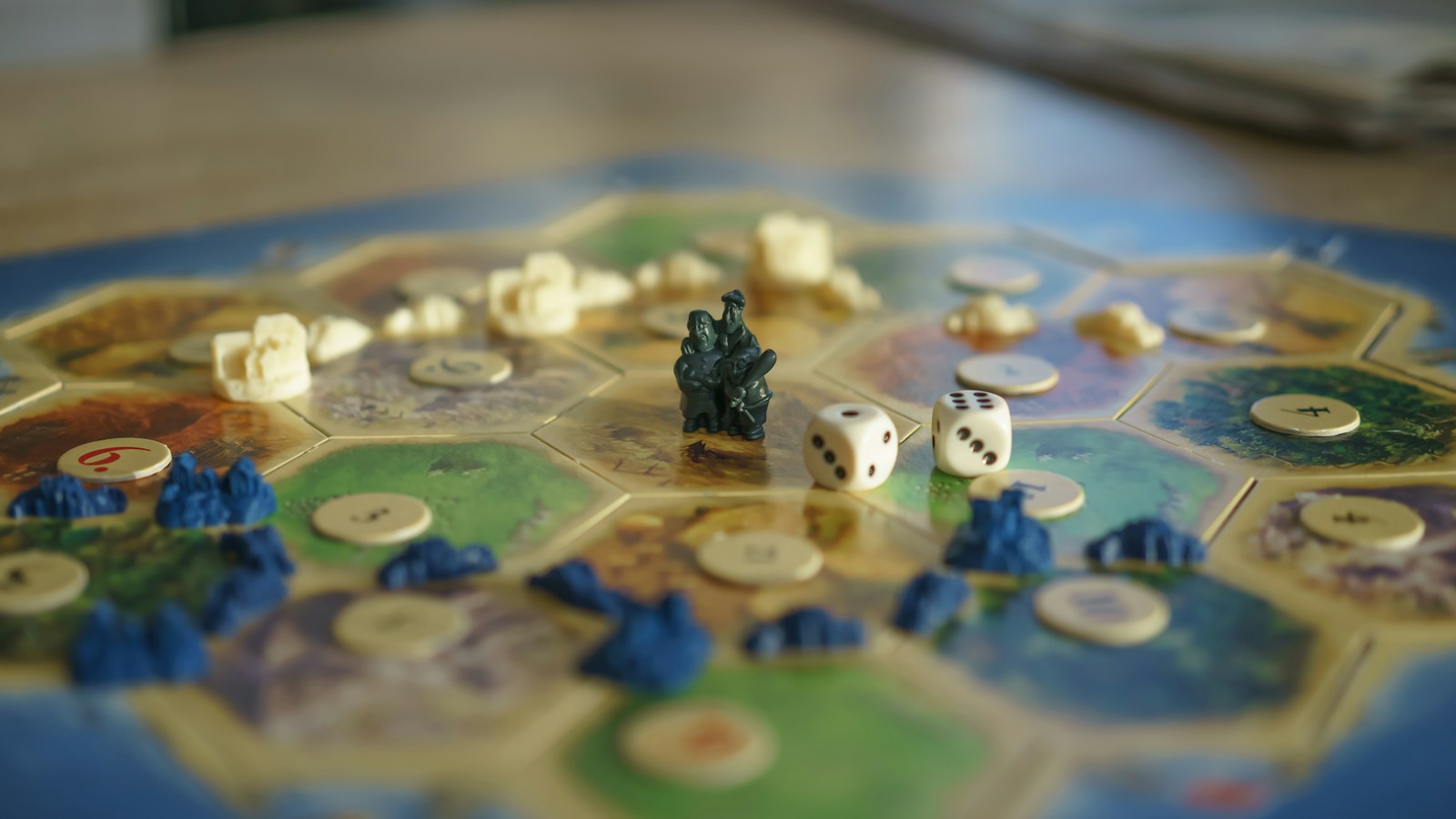
Board game nights in Berlin are a relief for people who want social plans with rules that are clearer than adult friendship. A game gives the table a purpose, a beginning, a few dramatic betrayals involving cardboard, and a reason to laugh before anyone has to ask what they do for work.
Berlin is brilliant for people who dislike polished small talk. It gives you parks, basements, studios, lakes, long tables, odd corners, and enough subcultures to make a normal Tuesday feel like a documentary. That is exactly why game nights can work so well: they turn awkward introductions into shared moves.

The game is the host, but the human host still matters
A good board game meetup in Berlin tells people what kind of night they are entering. Is it beginner-friendly? Are people playing light party games, modern strategy games, cooperative games, card games, chess, role-playing games, or something with a rulebook thick enough to qualify as light furniture?
The human host matters because rules do not explain themselves with kindness. New players need a welcome, a seat, a game suggestion, and permission to learn without feeling as if the table has silently judged their entire bloodline after one poor move.
What to look for in a Berlin board game night
- beginner tables or clearly labelled game difficulty
- a venue near Kreuzberg, Neukolln, or another area that people can reach without heroic logistics
- a named start time and a realistic end time
- whether people can arrive alone
- whether the group teaches rules or expects players to know them already
The city is spread out, so a meetup needs transport honesty. If the venue is forty minutes away and starts late, people deserve to know before optimism signs them up. If a listing ignores those basics, the night may still be fun, but the reader has to carry more uncertainty than necessary.
Choose the table, not only the game
The same game can feel completely different depending on the table. One group teaches patiently. Another group treats turn efficiency like an Olympic trial. One table laughs when someone forgets a rule. Another table explains the rule in a voice normally reserved for international incidents. Choose the social temperature before choosing the box.
In Berlin, useful formats include casual cafe games near Prenzlauer Berg, beginner strategy nights, cooperative game tables for shy newcomers, chess or card evenings, and small themed nights where one person teaches a game properly before play begins.

The beginner problem is solvable
New players often fear being slow. A good meetup solves that with beginner tables, quick games first, clear teaching, and a culture where questions are normal. The first game of the night should not require a spreadsheet, a prophecy, and three diplomatic treaties.
Hosts can help by starting with lighter games, pairing new people with patient players, and choosing games where turns come quickly. Waiting twenty minutes to make a confused decision is not a social hobby. It is a very small purgatory with tokens.
How to arrive without making it weird
If you are new, message ahead if the listing allows it. Ask whether beginners can join and whether you should bring a game. Arrive near the start time, introduce yourself plainly, and say what you enjoy: party games, strategy, word games, cooperative games, quick games, or simply learning without being roasted by strangers.
You do not have to be impressive. Being teachable is enough. Being kind when someone else learns is even better. Board game groups remember the person who made the table easier to join.
Why games make social pressure smaller
Board games are useful because attention can move around the table without forcing constant eye contact or polished self-presentation. The game creates pauses, turns, tiny surprises, and a safe reason to react. You can laugh at a card, negotiate a trade, misread a rule, or celebrate a lucky move. Conversation grows from the activity instead of arriving as a demand.
In Berlin, that matters for adults who want connection but may be tired of vague networking rooms. A game night gives the evening a shape. There is a table, a shared rule set, a beginning, and a finish. That structure can make it easier for shy people, newcomers, and busy locals to join without feeling they have to carry the whole social weight alone.
The difference between competitive and hostile
A little competition is healthy. Hostility is not. A good group can enjoy clever play, bold moves, and dramatic reversals without making new players feel foolish. The tone matters more than the winner. If the table teaches patiently and laughs kindly, the night is doing its job. If the table treats a beginner's mistake like a legal scandal, choose another table.
Readers should look for listings that name the style of play. Light social games, cooperative games, chess nights, strategy tables, and role-playing sessions attract different moods. Picking the right mood lowers the chance of a bad fit. It also makes the group easier to return to, which is the real prize for anyone trying to build a hobby-based social rhythm.
A few formats that make joining easier
In Berlin, useful board game formats include a beginner table with two light games, a cooperative game night for people who dislike aggressive competition, a chess or card evening, a cafe session with quick rotations, or a themed strategy night where the host teaches one game properly before play begins.
The format matters because board games vary wildly in emotional temperature. Some games are conversation starters. Some are quiet puzzles. Some create alliances, betrayals, and the sudden discovery that your polite friend is a ruthless economist with wooden sheep. A good listing helps readers choose the kind of evening they actually want.
A small table also gives people a reason to notice one another kindly. Someone explains a rule well. Someone laughs at their own doomed plan. Someone offers a better move even though it may cost them later. Those tiny gestures are social information, and they make a hobby group feel human.
Game nights that fit Berlin life
A Berlin board game night should respect the city's timing and travel realities. A weekday session might need short games and a clean ending. A weekend session can stretch. A cafe table may suit light games, while a community room may support longer sessions. The format should match the venue instead of pretending every table can hold every game.
The useful question is whether the game night lets people return. A one-off epic evening is fun, but regular community usually grows from reliable rhythms: same night, clear venue, clear tone, and enough room for newcomers to become familiar faces.
Where Kumele belongs after the article has helped
This guide should help readers choose a board game night first. Kumele becomes useful when someone wants compatible local hobby friends nearby, matched around hobbies, age, and location, so the table can become a real-life social habit rather than a saved event link.
Use Complete Berlin hobby guide, New to Berlin hobby meetups, and Berlin activity groups as companion guides.
Useful local checks for Berlin
Check venue noise, table space, transport, accessibility, cost, food rules, and whether the organizer has posted enough detail for a newcomer to feel welcome. City resources can help readers compare areas and public spaces before choosing a recurring night.
A grounded first step
Pick one beginner-friendly board game night in Berlin. Choose a table that teaches well. Play one game. If you laugh, learn, and want to come back, that is a strong result. Victory points are nice. A table you want to return to is better.
This guide supports readers searching for board game nights Berlin, board game meetups Berlin, and hobby meetups Berlin with advice that is practical, social, and easy to use.
Join the early hobby matching waitlist in your city
Join the early hobby matching waitlist in your city. Choose your city and the hobbies you want to try so Kumele can see where local demand is strongest first.
Start with the hobby groups near me guide, the hobby friends guide, or the main hobby guide.
Plan your next hobby step
Keep going with Kumele’s core guides: hobby ideas, hobby groups near me, hobby friends, and the city homepage.