Sewing is one of the most underrated social hobbies in Berlin.
It’s practical, it’s calming, it makes you feel capable in a world that mostly wants you to click “buy now”… and it’s weirdly easy to make friends while you’re learning, because the whole room is quietly helping each other solve tiny problems.
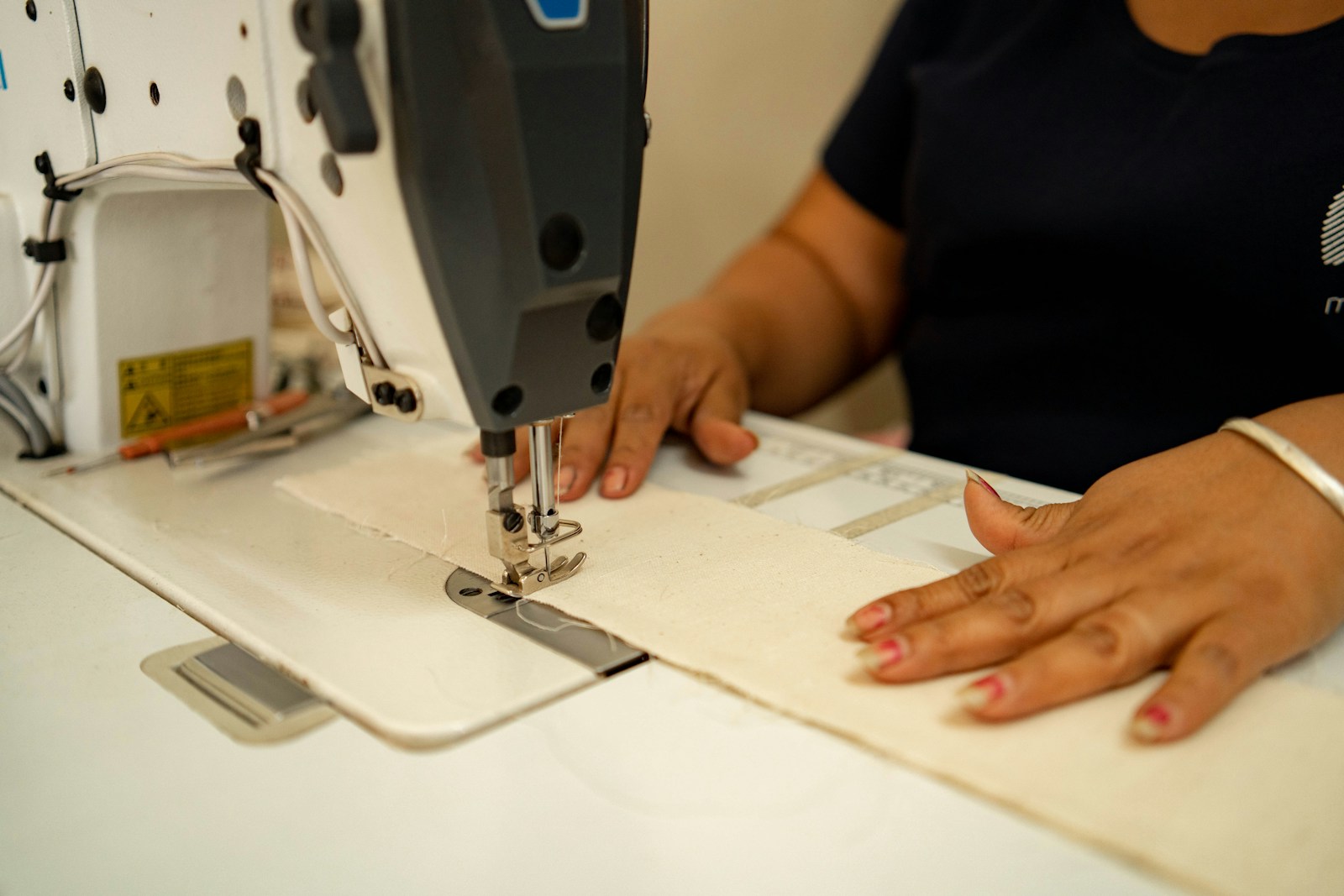
If you’re searching for sewing classes Berlin, this guide covers what beginners learn first, the types of classes you’ll see (including upcycling), what to bring, and how to pick a workshop vibe you’ll actually enjoy.
Quick answer: what’s the best sewing class for a complete beginner?
Start with a class that promises:
- absolute beginners welcome
- basic machine intro (or hand sewing intro)
- a simple first project
A good beginner first project is something forgiving:
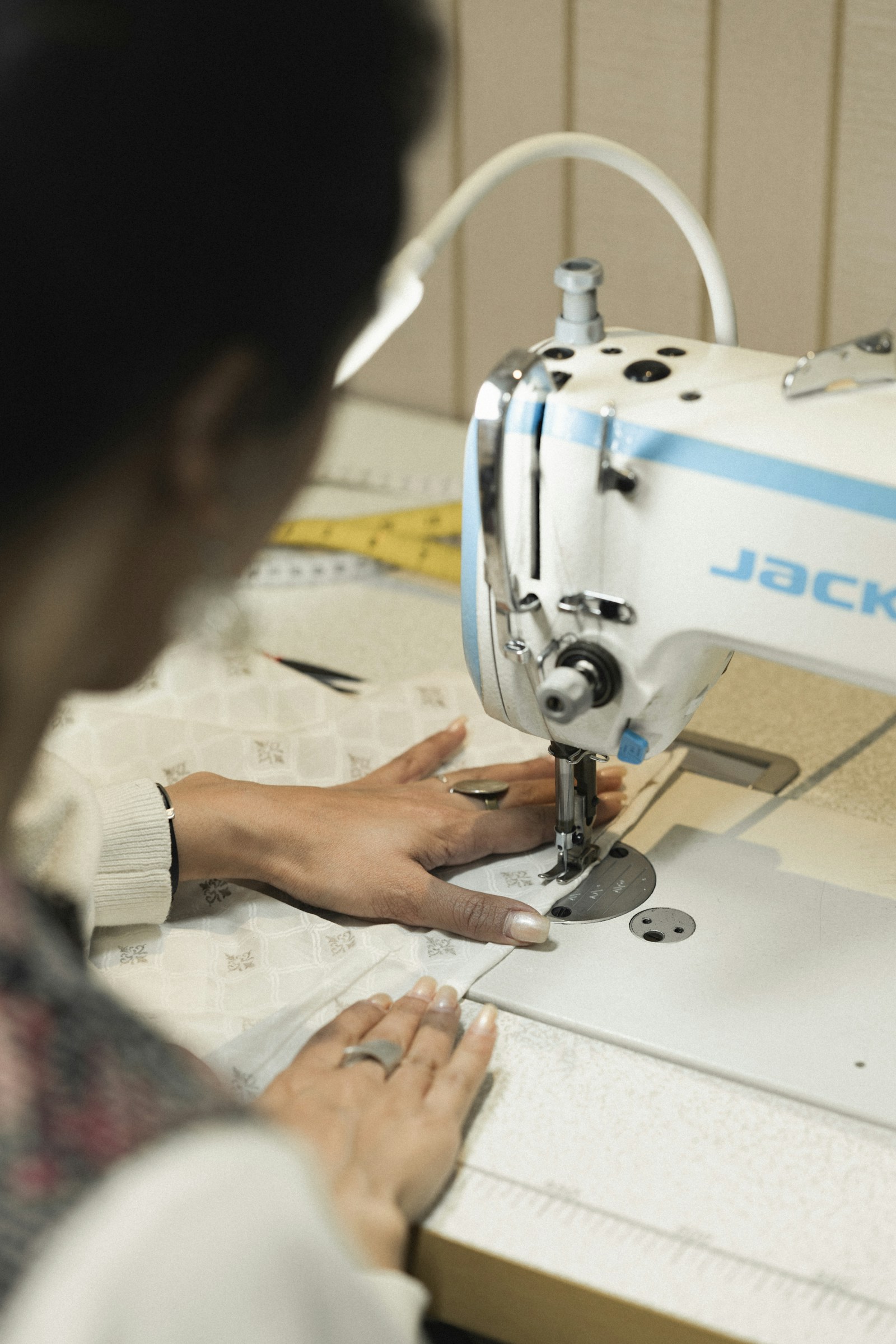
- tote bag
- simple pillow cover
- elastic-waist shorts
- basic repairs (hemming, buttons)
You don’t need to start with “make a jacket.”
That’s how people end up with three hours of sewing and a strange new relationship with despair.
What you learn first (and what you don’t need to know yet)
Beginner sewing usually starts with:
- how to thread a machine
- straight stitches and seam allowance
- how to pin, cut, and mark fabric
- how to finish edges so things don’t unravel
- basic fixes: hems, tears, buttons
You do not need to understand every fabric type on day one.
You’ll learn by handling materials.
Sewing vs upcycling: what’s the difference?
Sewing classes
Often focus on:
- learning techniques
- following patterns
- building skills step by step
Upcycling workshops
Often focus on:
- altering existing clothes
- repairs and creative reworks
- making something new out of something old
Upcycling classes can feel especially beginner-friendly because you’re allowed to be experimental.
Also: Berlin energy.
Where to find sewing classes in Berlin
You’ll usually find classes through:
- community education programs (for example, local adult education offerings)
- craft studios
- maker spaces
- fabric shops that run workshops
- Meetup / community groups
Berlin is full of neighborhoods where creative workshops naturally thrive — Kreuzberg, Neukölln, Prenzlauer Berg, Mitte, and beyond.
But the best class is the one you can get to consistently.
Choose “convenient” over “cool.”
What to bring (and what the class might provide)
Some classes provide machines. Some ask you to bring one. Some do a mix.
Before you go, check:
- Do they provide sewing machines?
- Do they provide fabric?
- Do you need basic tools (scissors, pins, measuring tape)?
If you’re unsure, bring:
- a measuring tape
- pins or clips
- fabric scissors (if you have them)
And wear something comfortable.
Sewing is a lot of sitting, standing, and leaning in.
How to choose the right class vibe
Different workshops feel very different.
A few common vibes:
- calm and cozy: learn slowly, lots of guidance
- technique-focused: more structured, less chatting
- creative lab: upcycling, experimentation, “let’s try it and see”
None is better.
Pick what matches your brain.
If you’re joining partly to meet people, choose:
- smaller classes
- multi-week courses
- workshops that include a shared break
Repeated proximity is the social secret.
Sewing class etiquette (so you feel like you belong)
- arrive on time (machines take setup)
- ask questions early (everyone else is also confused)
- don’t touch other people’s machines without asking
- compliment projects sincerely (it’s a soft room; it matters)
And remember:
Everyone’s first stitches look a little haunted.
That’s the tradition.
How sewing helps you meet people in Berlin
Sewing is great for connection because it creates natural conversation:
- “What are you making?”
- “Have you sewn before?”
- “Where did you find that fabric?”
- “How did you get into upcycling?”
Then the easiest follow-up:
- “Are you coming again next week?”
- “Want to grab a coffee after class?”
Berlin social life often rewards small, specific invitations.
After-class coffee is small and specific.
If you’re nervous about being a beginner
A lot of people avoid sewing because they think they need talent.
You don’t.
Sewing is mostly:
- patience
- repetition
- tiny adjustments
You’ll be surprised how fast you improve.
The first time you fix a hem yourself, you’ll feel like you just unlocked a new adult level.
Beginner projects that build skills fast
If you want projects that teach you a lot without being overwhelming, try:
- tote bag (straight seams, handles, turning corners)
- simple cushion cover (seams + closures)
- elastic-waist shorts (learning elastic + basic fit)
- basic repairs: hemming jeans, sewing on buttons, fixing small tears
These projects teach the fundamentals you’ll reuse forever. Once you can sew a straight seam and finish an edge, you’re no longer “a beginner who can’t sew.” You’re a person who can make fabric behave.
A minimal sewing kit (so you’re not buying a whole craft store)
If you plan to practice at home later, you don’t need much:
- measuring tape
- pins or clips
- fabric scissors (or dedicated scissors for fabric)
- seam ripper (the most humbling tool, and also the most useful)
- chalk or fabric marker
Add a few basic needles and neutral thread when you’re ready; it’s cheap and saves a lot of “why can’t I start?” moments.
Everything else can wait until you know what kind of sewing you actually like.
Start small and let your projects tell you what to buy next.
How to practice between classes (without turning it into homework)
Sewing skill comes from repetition, not intensity.
Between classes, a good practice routine is:
- hem one thing
- repair one thing
- practice one straight seam on scrap fabric
That’s enough.
Berlin is full of people who want to live more intentionally. Repair and upcycling are a practical version of that — and you’ll feel the confidence build quickly when you stop outsourcing every small clothing problem to “I guess I’ll buy a new one.”
Where to get materials (without spending a fortune)
If you want to practice without buying expensive fabric on day one, use what you already have:
- an old shirt that’s too worn to donate (practice seams)
- jeans that need hemming (practice alterations)
- bedsheets or cotton scraps (practice straight stitching)
Upcycling workshops are great because you can bring a piece you already own and learn to improve it. That also makes the hobby feel immediately useful — not just “I made a tote bag,” but “I fixed something I actually wear.”
If you want the cheapest practice fabric on earth: use old cotton shirts or worn bedsheets. They’re forgiving, easy to sew, and perfect for learning without caring about “wasting” nice material.
Quick answers
Is sewing expensive as a hobby?
It can be, but it doesn’t have to be.
Upcycling and repair-focused workshops can be budget-friendly, and learning repairs often saves money over time.
Do I need my own sewing machine?
Not to start.
Try a class first, then decide.
Can I bring something I already own to fix or alter?
Often, yes — especially in repair or upcycling-focused workshops.
If you have a specific goal (hem trousers, adjust a jacket, patch a tear), message the instructor beforehand to check whether the class format supports it. Bringing a real item can make the learning feel instantly useful, and it’s a nice way to connect with other people (“I’m rescuing this shirt I refuse to give up” is surprisingly relatable).
Can I learn just repairs?
Yes — and it’s one of the most useful versions of sewing.
Look for workshops focused on mending, alterations, or visible mending.
Keep exploring Berlin
A practical confidence check
Before choosing a outdoor activity, look for the detail that would make you comfortable enough to return: the exact meeting point, the expected level, the likely group size, and whether the plan still works if you arrive alone. In Berlin, that practical layer matters because a hobby is not just an idea; it has to fit transport, timing, weather, energy, and the small courage it takes to walk in for the first time. A clear plan gives your future self fewer excuses and a better evening.
Let the first visit be simple
A good first step for sewing classes in Berlin is to pick a session where the materials, level, and outcome are clear. In Berlin, creative groups become less intimidating when the goal is to try something honestly, not to produce a masterpiece while pretending your hands are not nervous.
The detail that keeps people coming back
For sewing classes in Berlin, the first useful clue is usually practical rather than glamorous. In Berlin, pay attention to the meeting point, the time of day, the language of the group, and whether the activity leaves room for beginners. A good first outing should make you feel a little braver, not like you accidentally enrolled in an exam with better lighting.
What a good invitation does
A good invitation does not oversell. It tells you enough to decide, leaves room for beginners, and makes the activity feel approachable without making it dull. For sewing classes in Berlin, that balance is what turns a search result into a real plan.
Next step
Choose one beginner workshop, check what tools are included, and let the first class teach you the room as much as the technique. If you leave knowing one person, one stitch, and one reason to return, the class did its job.
Join the early hobby matching waitlist in your city
Join the early hobby matching waitlist in your city. Choose your city and the hobbies you want to try so Kumele can see where local demand is strongest first.
Start with the hobby groups near me guide, the hobby friends guide, or the main hobby guide.
Plan your next hobby step
Keep going with Kumele’s core guides: hobby ideas, hobby groups near me, hobby friends, and the city homepage.
For another practical creative activity, see pottery classes in Berlin.