Berlin is the kind of city where you can casually meet someone who:
- has opinions about kick drums
- owns a small forest of cables
- and says “yeah, I’m just working on an EP” like it’s laundry
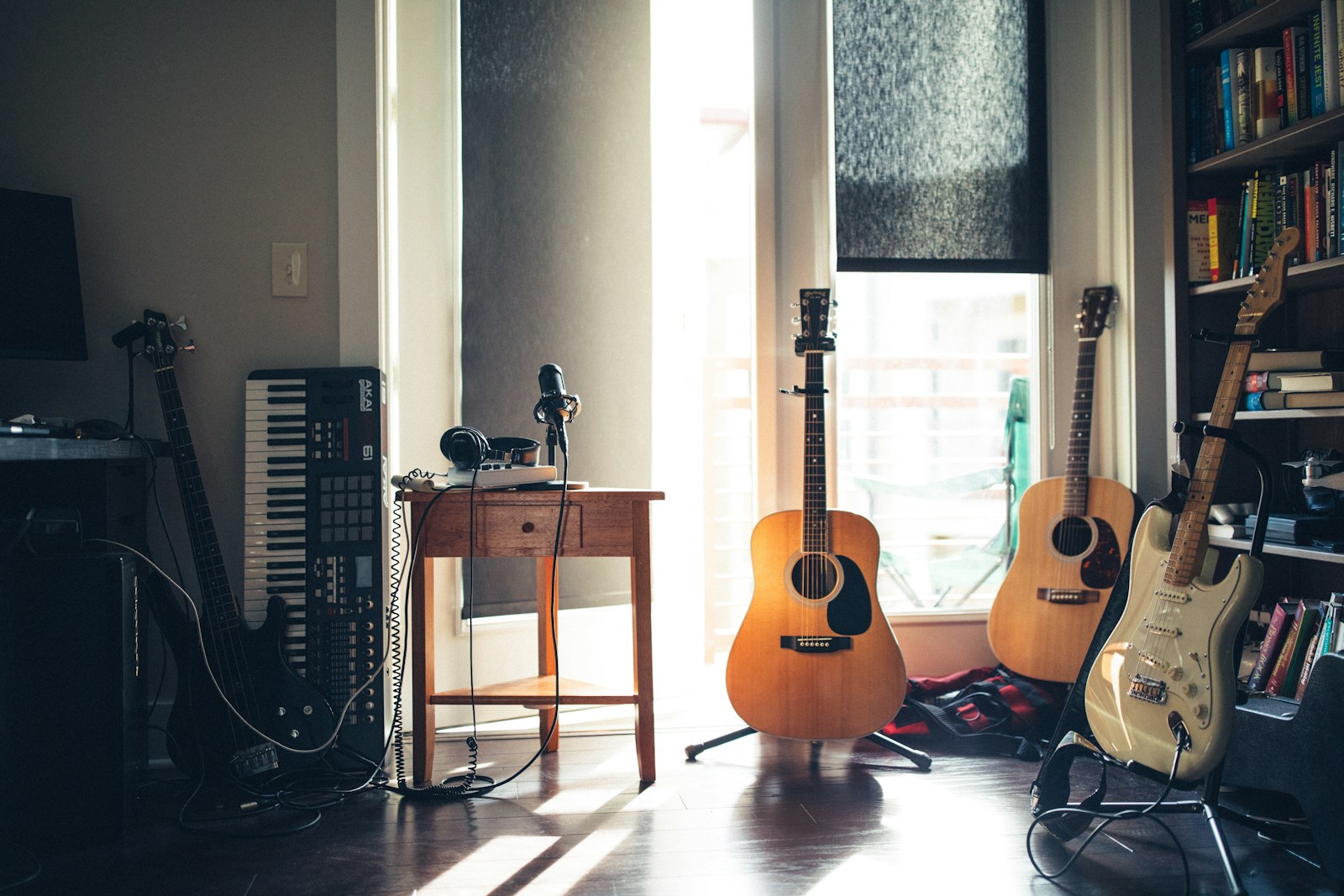
If you’re looking for music production meetup Berlin, this guide keeps the first step practical so you can decide what to try next without overthinking it.
But the best part of Berlin’s music scene isn’t only clubs. It’s the communities: producer meetups, open labs, workshops, feedback circles — places where you can actually learn and meet humans in daylight.
If you’re searching for a music production meetup in Berlin, this guide is for beginners (and “intermediate but still confused” people) who want:
- a low-pressure way to learn
- a social way to stay consistent
- and a realistic path to collaboration without cringe
Quick answer: the best meetup for beginners is NOT a “networking night”
If you’re new, look for meetups that are:
- practice-focused (bring a project, do work, ask questions)
- beginner-friendly (explicitly welcomes beginners)
- structured (workshop, hangout, prompt, or feedback format)
- repeatable (happens monthly/weekly so you can build momentum)
Avoid beginner traps like:
- a room full of people trying to “pitch themselves”
- events where the only activity is standing around holding a drink
You want a meetup where the music gives the first conversation somewhere natural to begin.
Common Berlin meetup formats (and what to expect)
1) Producer hangouts / open lab nights
Usually:
- bring your laptop
- work on your project
- ask for help when you get stuck
- meet people organically while you’re actually doing the thing
Great for: consistency and community.
2) Workshops (Ableton/DAW basics, sound design, mixing)
Usually:
- instructor-led
- beginner-friendly
- lots of “ohhh, that’s what that button does”
Great for: fast learning + meeting other beginners.
3) Feedback / listening sessions
Usually:
- people play works-in-progress
- group gives supportive feedback
- you learn a ton by listening to other people’s problems and solutions
Great for: improving quickly and building relationships.
4) Collaboration meetups (writing sessions, remix challenges)
Usually:
- prompts or small group tasks
- shared goal
- more social energy
Great for: meeting collaborators — if you keep expectations sane.
What to bring (so you don’t feel unprepared)
Beginner-friendly kit:
- laptop + charger
- headphones
- your DAW (Ableton/Logic/FL/etc) — whatever you use
- one small project you can open quickly
Nice-to-have:
- a small MIDI controller (optional)
- a notebook (for “oh wow that tip mattered” moments)
And a mindset tip: you’re not there to impress people. You’re there to learn and connect.
What to share as a beginner (so you don’t freeze)
If you want to show something but feel nervous, bring one of these:
- an 8-bar loop you like
- a drum pattern you’ve been refining
- a “before/after” sound design experiment (same loop, different processing)
You don’t need a finished track. Meetups are for works-in-progress.
If you need a sentence to say out loud: “This is unfinished, but I’d love feedback on the groove/mix/arrangement.”
The collaboration etiquette that makes people want to work with you
Berlin has a lot of talented people. The thing that makes you a great collaborator isn’t talent alone — it’s being easy to work with.
Beginner-friendly collaboration rules:
1) Start with tiny collaborations
Instead of: “Let’s make a whole track together.”
Try:
- “Want to trade 8-bar loops?”
- “Want to do a quick remix swap?”
- “Want to do one feedback call on our mixes?”
Small commitments build trust.
2) Be clear about your level
Say: “I’m still learning, but I’m consistent.”
Consistency is attractive. People love someone who shows up.
3) Don’t be weird about credits
If you’re collaborating, agree on the basics early:
- are you sharing stems?
- are you co-releasing?
- is it just practice?
You don’t need a legal contract for a “practice collaboration,” but you do need clarity.
4) Give useful feedback
Instead of: “This is sick.”
Try:
- “The groove is great; the kick could be a bit tighter.”
- “The lead is cool, but it fights the vocal range.”
- “The drop hits — the build could be shorter.”
Specific feedback is friendship fuel.
How to make producer meetups social (without forcing it)
Producer meetups can be shy. Lots of people are introverts who chose a hobby that lets them sit alone with headphones.
So use low-pressure conversation starters:
- “What are you working on lately?”
- “What genre are you in right now?”
- “What’s been the hardest part to learn?”
- “Do you have a go-to drum kit you love?”
And the best move: ask one question, then actually listen.
Useful beginner questions (that won’t make you feel awkward)
If conversation dies, these questions are gold:
- “How do you start a track — drums first or melody first?”
- “What’s one shortcut you wish you knew earlier?”
- “How do you keep your projects organized?”
- “Do you finish tracks fast, or do you do lots of sketches?”
Most producers love talking about process — especially when it’s framed as learning, not flexing.
Bring-your-project hygiene (so sharing is easy)
If you want to share a track or loop at a meetup, make it easy for yourself:
- export a short audio clip (30–60 seconds is enough)
- name it clearly (date + project name)
- keep it at a normal volume (no ear-destruction mastering)
This removes the “wait, give me five minutes to find the file” stress — and lets you focus on feedback and connection.
The follow-up that turns meetups into friends
If you meet someone you vibe with, send a simple message the next day:
- “Nice meeting you — want to do a short producer hangout next week?”
One clear plan beats “we should totally connect sometime,” which is the Berlin way of never seeing each other again. Almost always.
A realistic beginner path (so you don’t burn out)
If you want a simple plan:
Week 1
- Go to one meetup/workshop.
- Ask one question.
Week 2
- Do two 45-minute sessions at home.
- Make one 8-bar loop you can show someone.
Week 3
- Go again.
- Share the loop in a feedback session (even if it’s imperfect).
Week 4
- Repeat.
By month one, you’ll have:
- momentum
- familiar faces
- and actual progress
That’s how music becomes social in a city like Berlin.
Where Kumele fits
Music production can feel lonely — especially in the “I’m learning and I’m not ready to share yet” phase.
If you want a hobby-first way to meet people who:
- want to learn
- want to collaborate
- and want consistent sessions (not just one-off nights)
then a hobby community can help.
On Kumele, you can connect around creative hobbies and find people for small, beginner-friendly plans like:
- “two-hour producer hangout (bring headphones)”
- “Ableton practice + feedback”
- “start a monthly listening circle”
You don’t need to be famous. You need a clear plan and a friendly vibe.
FAQ
“Do I need to use Ableton?”
No. Many communities lean Ableton because of Berlin’s scene, but you can learn and collaborate on any DAW.
“What if my music isn’t good yet?”
It won’t get good by staying hidden forever. Share small things in supportive environments. That’s how you improve.
“What if I’m shy?”
Producer meetups are full of shy people. Show up twice. The second time is where it gets easier.
References and useful Berlin music resources
Check the Berlin leisure directory for public activity listings. Keep exploring with hobby friends in Berlin.
Keep exploring Berlin
One thing to check before you go
The most useful first step is to reduce uncertainty before enthusiasm fades. Choose a specific time, a realistic place, and a format that matches your current energy. For music and performance groups, that may mean a smaller group, a clearer beginner level, or a meeting point that is easy to find even when the day has already been long. Good hobby plans respect ordinary life. They do not require a dramatic reinvention before you have even arrived. That is why “Music production meetups in Berlin: beginner-friendly ways to learn, collaborate, and make frien” needs practical texture, not just a pleasant idea.
A practical confidence check
Before choosing a music or performance group, look for the detail that would make you comfortable enough to return: the exact meeting point, the expected level, the likely group size, and whether the plan still works if you arrive alone. In Berlin, that practical layer matters because a hobby is not just an idea; it has to fit transport, timing, weather, energy, and the small courage it takes to walk in for the first time. A clear plan gives your future self fewer excuses and a better evening.
Let the first visit be simple
A good first step for music production meetups in Berlin is to pick a session where the materials, level, and outcome are clear. In Berlin, creative groups become less intimidating when the goal is to try something honestly, not to produce a masterpiece while pretending your hands are not nervous.
Next step
For music production meetups in Berlin, the first useful clue is usually practical rather than glamorous. In Berlin, pay attention to the meeting point, the time of day, the language of the group, and whether the activity leaves room for beginners. A good first outing should make you feel a little braver, not like you accidentally enrolled in an exam with better lighting.
Join the early hobby matching waitlist in your city
Join the early hobby matching waitlist in your city. Choose your city and the hobbies you want to try so Kumele can see where local demand is strongest first.
Start with the hobby groups near me guide, the hobby friends guide, or the main hobby guide.
Plan your next hobby step
Keep going with Kumele’s core guides: hobby ideas, hobby groups near me, hobby friends, and the city homepage.