Searching for board games Berlin usually means you are not just looking for a list. You are trying to answer a more human question: can I walk into this room, route, class, table, or group without feeling like I have accidentally joined the advanced version of adulthood?

In Berlin, the answer depends on local texture: independent neighbourhoods, international rooms, focused hobby scenes, and a rare tolerance for gloriously specific interests. That is why a good hobby guide should be practical before it gets inspirational. Inspiration is lovely. It also has a habit of disappearing the moment you cannot find the entrance.
Why board games works for meeting people
Board Games can put people around a table with rules, laughter, and a shared reason to stay longer than small talk usually survives. The activity gives people a shared focus, which is useful because most adults do not need another abstract instruction to “put yourself out there.” They need a specific place to go, a manageable first step, and a reason to return.
The strongest social hobbies do not force instant intimacy. They create small recognitions: a repeated face, a useful tip, a shared laugh, a familiar route, a table where someone remembers your name. That is how a city becomes less anonymous. It rarely happens in one grand cinematic evening. It happens because you showed up twice.
What to check before your first session
Before choosing a board games option in Berlin, check game length, language dependence, group size, host guidance, beginner tables, noise level, and whether food or booking is required. Those details are not boring. They are the difference between a hobby that becomes repeatable and a hobby that becomes a heroic story you tell once and rarely attempt again.
In Berlin, pay special attention to U-Bahn routes, late returns, language comfort, and whether the group gives beginners enough detail to arrive calmly. A plan that looks well suited online can collapse if it requires too much travel, too little clarity, or a level of confidence usually reserved for people in sports-drink adverts.
A few useful places to start researching
Use these starting points, then confirm the current schedule, cost, level, and location directly with the organiser:
Directories and official guides are starting points, not final proof. Read for signs of care: clear beginner information, current dates, plain directions, realistic expectations, and a tone that does not punish people for being new.
How to make the first visit easier
For your first board games session, choose a short game, ask for rules help early, and avoid the four-hour strategy epic unless the table has consented to destiny. That is enough. The first visit is not an audition for your future identity. It is research with better scenery.
If you are going alone, give yourself a simple script. “Hi, is this the board games group?” is allowed to be the whole opening line. You do not need to arrive sparkling. You can arrive curious, slightly early, and wearing the expression of someone who successfully found the door.
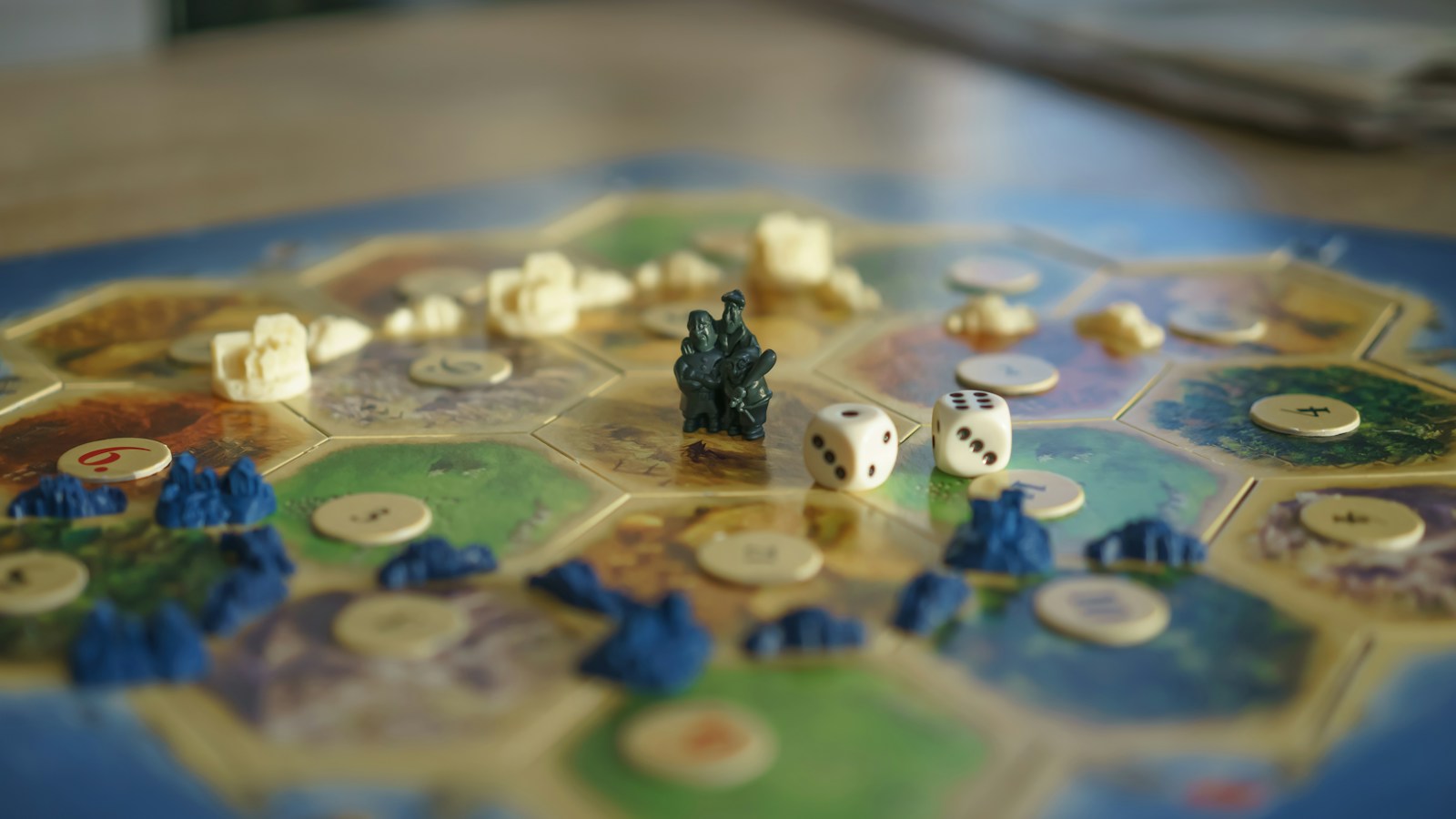
A board game night is friendship with cardboard, snacks, and the occasional diplomatic incident.

What a good group feels like
A good beginner-friendly group explains what happens next. It does not make newcomers guess the rules, level, social etiquette, or whether they are standing in the correct corner. The host, teacher, organiser, or regulars should make the first few minutes easier.
That does not mean every group must be soft and slow. It means expectations should be visible. A fast group can be excellent if it says it is fast. A beginner group can be excellent if it protects beginners from being steamrolled by people who have mistaken intensity for character.
Three newcomer scenarios
If you are new to Berlin, use board games as a city-learning tool. Ask people which neighbourhoods make the activity easier, which venues are beginner-friendly, and which times of day feel realistic. Local advice often saves more time than a dozen polished listings.
If you already live in Berlin but feel socially stuck, choose a group outside your usual routine. Familiar streets can make life efficient but socially narrow. A new activity gives the week a different doorway without demanding a dramatic reinvention.
If you are coming back after a long break, choose the gentler option first. Returning to a hobby can feel strange because the body remembers one thing, the calendar remembers another, and confidence is somewhere in the kitchen looking for tea. Start where consistency is possible.
Common mistakes to avoid
The first mistake is choosing the most impressive option instead of the most repeatable one. Impressive plans look good in a notebook. Repeatable plans become life.
The second mistake is treating one awkward visit as proof that the hobby is wrong. Sometimes the group is wrong, the time is wrong, the level is wrong, or the venue is wrong. That is useful information, not a verdict on your ability to belong.
The third mistake is waiting until you feel completely confident. Confidence often arrives after action, carrying a tiny suitcase and acting as if it was invited all along.
How to compare two options quickly
When two board games options look similar, make the comparison painfully practical. Which one is easier to reach from your real life, not your imaginary well suited week? Which one explains the level more clearly? Which one has a tone that makes newcomers feel expected instead of tolerated? Which one would you still attend after a tired day?
For Berlin, also consider whether the activity fits the city’s rhythm. A weekday evening can be brilliant if the route is simple and the start time is realistic. A weekend session may be better if the hobby needs more energy, equipment, or travel. There is no universal answer; there is only the answer that survives your actual calendar.
If both options still look good, choose the one with clearer communication. Good communication before the session often predicts good hosting during the session. It shows that someone has thought about the newcomer’s first ten minutes, and those ten minutes matter more than most organisers admit.
Questions to ask before you commit
Send one short message if the listing leaves anything unclear. Ask whether beginners can come alone, what level the session assumes, and what someone should bring. If the answer is warm and specific, the group has already made your first visit easier.
Also ask about repeat rhythm. A one-off event can be fun, but a repeating board games group is more useful for building familiarity. Connection likes rhythm. It gets nervous when every plan is a brand-new puzzle.
How Kumele fits this search
Kumele is built around hobby-led connection, matching people by interests, age range, and location so real-life plans feel easier to start. It is a hobby meetup and matching app built around hobbies, age range, and location so people can find local hobby friends and real-life activities with better fit. For board games in Berlin, that matters because compatibility is practical: nearby people are easier to meet again, similar schedules reduce friction, and a shared activity gives the first plan a reason to exist.
This article is still not a sales pitch. The useful goal is to help you understand how to choose board games options in Berlin. Kumele belongs in the picture only where it helps turn interest into a clearer local plan.
A simple plan for this week
Pick two board games options in Berlin. Compare route, level, cost, timing, group size, and beginner clarity. Choose the one you can repeat, not the one that makes you sound most impressive at brunch.
After the first visit, ask three questions: did the activity fit me, were the people broadly welcoming, and could I realistically return? If two answers are yes, try once more. If not, change the format before giving up on the whole hobby.
Final thought
A useful board games choice in Berlin is not often the trendiest. It is the one that gives you enough clarity and comfort to come back. That second visit is where hobby-based connection starts doing its quiet work.
Local source check for Berlin
For readers comparing real places, the most useful plans usually start with official or locally maintained information. These links are not endorsements; they are practical starting points for checking parks, public spaces, cultural venues, and local logistics before choosing where a hobby group should meet.
Join the early hobby matching waitlist in your city
Join the early hobby matching waitlist in your city. Choose your city and the hobbies you want to try so Kumele can see where local demand is strongest first.
Start with the hobby groups near me guide, the hobby friends guide, or the main hobby guide.
Plan your next hobby step
Keep going with Kumele’s core guides: hobby ideas, hobby groups near me, hobby friends, and the city homepage.