Berlin is a cycling city, but joining a cycling group can feel like you need:
- a €4,000 bike
- a mysterious collection of tight clothing
- and the ability to talk while moving at speed
You don’t.
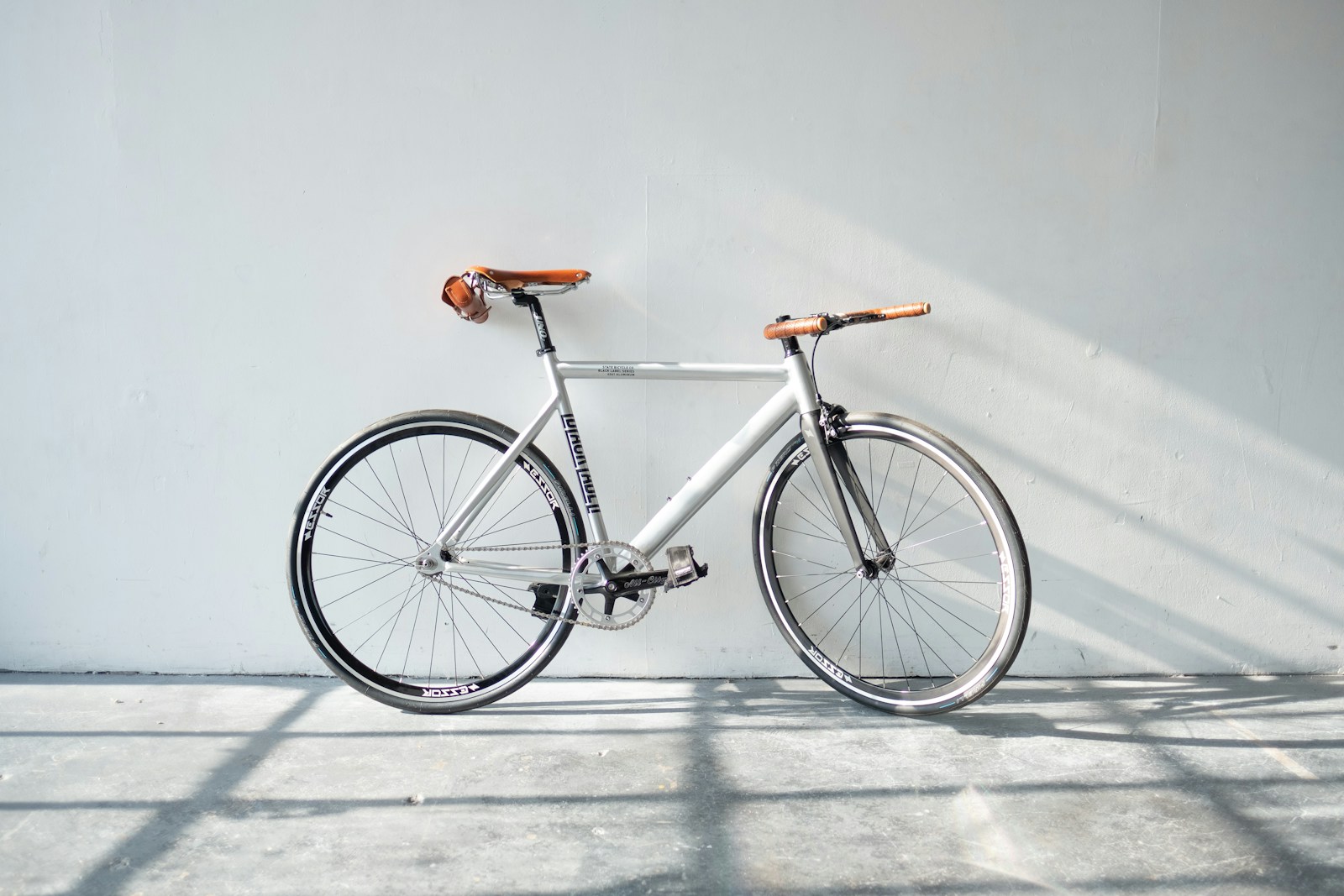
There are plenty of casual, beginner-friendly cycling groups in Berlin where the goal is “nice ride + decent conversation + everyone gets home.” For cycling groups Berlin searches, the safest starting point is a no-drop social ride with a named route, clear distance, and a pace that sounds human.
Here’s how these groups work, where people ride, what to bring, and how to start without turning it into a whole identity.
What “cycling group” can mean (so you choose the right one)
Berlin cycling meetups often fall into these buckets:
- casual social rides: slower pace, lots of stops
- commuter-style rides: practical routes, steady pace
- training rides: faster, sporty, less chat
- theme rides: photo rides, coffee rides, “discover a new neighborhood” rides
- bike advocacy/community rides: social, purposeful, often beginner-friendly
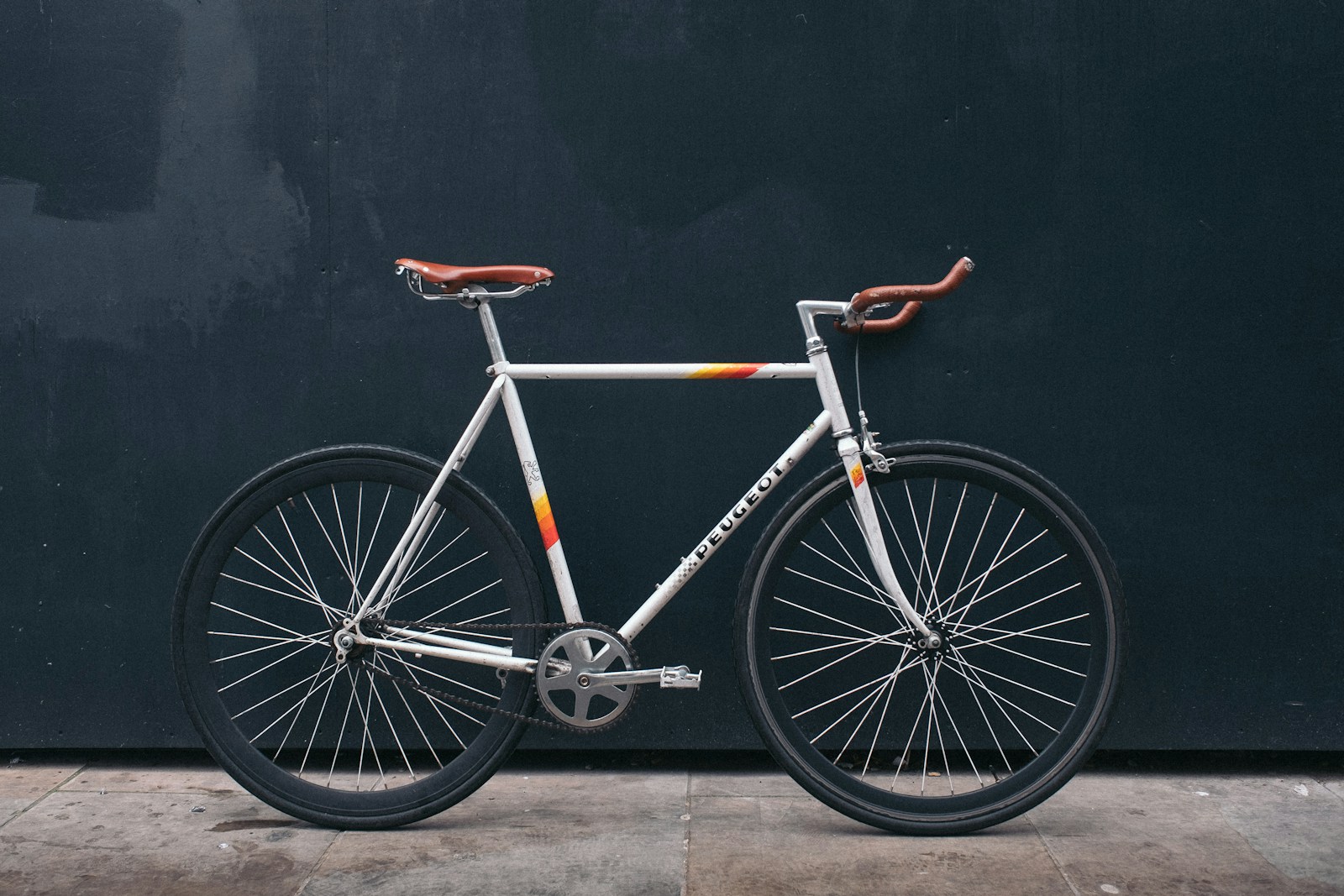
If you want friends, choose casual + repeatable.
Beginner-friendly places and route types in Berlin
You don’t need a “perfect” route — you need a route that’s clear and not stressful.
Beginner-friendly Berlin ride ideas (in spirit):
- big open spaces (where you can relax into a pace)
- park loops (easy meet points, easy “one more lap” choice)
- canal-side paths (calm vibe, good for conversation)
- quiet neighborhood routes (less traffic stress)
Popular meetup energy often shows up around places like: Tempelhofer Feld, Tiergarten, and long, flat paths where you can ride without constant “watch out” tension.
What to bring (basic + Berlin-realistic)
- a bike that’s safe to ride (brakes work, tires not sad)
- lights if it’s dusk/evening
- water
- a small lock (Berlin is Berlin)
- a layer for wind (it’s always wind season somewhere)
Optional:
- gloves if your hands get cold
- a small snack if it’s longer than an hour
Cycling group etiquette (so you don’t feel awkward)
You don’t need to know every cycling rule book. Just aim for considerate:
- arrive early so you don’t rush-stress the whole start
- tell someone you’re new (people usually become instantly helpful)
- ride predictably (no sudden swerves)
- use simple hand signals if you know them, but don’t panic if you don’t
- don’t be the hero who sprints off on a social ride
If the group has clear expectations, they’ll usually say them upfront.
How to join when you’re worried about “not keeping up”
Choose one of these options:
1) a group that explicitly says beginner/social pace 2) a group with multiple pace groups 3) a shorter route (60 minutes, not 3 hours)
And give yourself permission to treat ride #1 as a test.
If it’s too fast, it’s not a personal failure. It’s just not your group.
Making it social (without shouting while cycling)
Conversation on a bike is easier when:
- the pace is gentle
- the route is predictable
- the group is small enough to flow naturally
Try small openers:
- “Have you done this route before?”
- “Do you ride a lot or is this your ‘trying to be outdoorsy’ era?”
- “Any favorite calm routes in Berlin?”
People love recommending routes. It’s like local currency.
A Berlin first-ride checklist
Before your first group ride, check five things:
- exact meeting point, not just the park or station name
- expected distance and pace
- whether lights are required for the return
- how the group handles traffic and junctions
- whether the route has a bail-out point near public transport
Berlin cycling can be brilliant, but it rewards clear logistics. The more you know before you roll out, the more energy you have left for the social part.
How to tell if the group is a good fit
After the ride, judge the fit by more than speed.
Ask:
- Did the organizer explain the route clearly?
- Did the group wait when someone needed a pause?
- Did the ride feel safe around traffic?
- Did people talk before or after, or was it purely athletic?
- Would I trust this group on a rainy or darker evening?
A good cycling group makes you feel more capable, not embarrassed. You might still be tired. You might still discover muscles that have been living quiet private lives. But you should not feel confused, unsafe, or socially invisible.
Keep exploring Berlin
What to do before ride two
If the first ride was decent, prepare for the second one better. Check the weather, lights, route length, and whether you need a lock for a coffee stop. Bring water even if the ride looks short. City cycling has a way of making “quick” plans longer than expected.
It also helps to decide your social goal before you arrive. You do not need to make five friends. Try one small thing: learn one name, ask one route question, or stay for the post-ride pause if there is one. Cycling groups can feel hard to talk in while moving, so the moments before and after the ride matter.
If the first group was too fast, do not translate that into “cycling groups are not for me.” Try a casual ride, a shorter loop, a neighborhood group, or a beginner-labeled event. The right cycling group should make Berlin feel more open, not more stressful.
The long-term win is simple: a ride you can repeat, a route you enjoy, and a few familiar faces who make getting on the bike feel easier.
Common questions
Do I need an expensive bike?
No. You need a safe, working bike that suits the route. For casual city rides, reliability matters more than looking like you are training for a documentary about endurance.
What if I do not know Berlin routes well?
That is one reason to join a group. Still, check the basic route, distance, and return plan before you ride. Knowing the outline helps you relax and enjoy the group.
Are cycling groups social?
Some are very social; others are mostly fitness-focused. Look for words like casual, social, beginner, coffee stop, or neighborhood ride if connection is part of your goal.
What to remember
For your first cycling group in Berlin, choose clarity over intensity. A clear route, safe pace, visible meeting point, and realistic return plan matter more than distance. If you want friends, look for rides that leave space before or after for actual conversation. The best group is one that helps you ride more often and feel more at home in the city, not one that makes you prove you belong. If the ride leaves you safer, clearer, and more willing to return, that is the right kind of progress. Return.
What makes a group feel welcoming
Berlin rewards plans that are specific but not overproduced: a clear meeting point, a real level, and enough room for people who are curious without wanting a social performance. For cycling groups, the strongest plan is usually the one that answers the little questions people are almost embarrassed to ask: where exactly do we meet, what level is this, what should I bring, what happens if I arrive alone, and is there a graceful way to leave if the format is not for me? Those details are not boring. They are what turn curiosity into attendance.
A friendly group is not always loud or polished. Sometimes it is just clear, consistent, and calm enough for a newcomer to join without needing a speech prepared in advance. In the context of “Cycling groups in Berlin: casual rides, routes, and the no-pressure way to start”, the detail matters because the reader is trying to make a real next move.
Outdoor activity groups formats worth comparing
For cycling groups in Berlin, place and pace matter more than scenery alone. The route, pace, road surface, distance, and meeting point should match the group’s level and make it easy to join without guessing how fast to ride or whether beginners are quietly being sacrificed to ambition.
Low-pressure formats include short city rides, weekend loops, social recovery rides, and bike-and-coffee plans. The practical details matter: level, duration, cost, equipment, language, group size, and whether beginners are genuinely welcome. The best invitations remove avoidable uncertainty before it turns into an excuse.
When local context matters
This is where Kumele’s positioning matters in a modest way. It helps people begin with shared interests, age range, and location, which can make cycling groups in Berlin feel less like a blind search and more like a realistic first step toward meeting people offline.
Local fit matters because community is built through repeatable plans, not one-off enthusiasm. Someone may love cycling groups, but still need a nearby setting, a suitable level, and a group rhythm that feels natural.
Start with one clear action
Give yourself a low-pressure experiment rather than a dramatic promise. Try one format, notice how it feels, and keep the parts that make showing up easier next time. That is why “Cycling groups in Berlin: casual rides, routes, and the no-pressure way to start” needs practical texture, not just a pleasant idea.
Let the hobby do some of the social work. For Cycling groups in Berlin: casual rides, routes, and the no-pressure way to start, the activity gives people something to notice, ask, try, or improve together. That is much kinder than walking into a room where the only assignment is to be fascinating immediately.
The detail that keeps people coming back
For cycling groups in Berlin, the first useful clue is usually practical rather than glamorous. In Berlin, pay attention to the meeting point, the time of day, the language of the group, and whether the activity leaves room for beginners. A good first outing should make you feel a little braver, not like you accidentally enrolled in an exam with better lighting.
Final thought
The best approach to cycling groups Berlin is not to hunt for the perfect group. Start with one clear, beginner-friendly option, notice how it feels, and repeat the parts that make you want to come back. Real community usually begins with a small plan that is easy enough to do again.
Join the early hobby matching waitlist in your city
Join the early hobby matching waitlist in your city. Choose your city and the hobbies you want to try so Kumele can see where local demand is strongest first.
Start with the hobby groups near me guide, the hobby friends guide, or the main hobby guide.
Plan your next hobby step
Keep going with Kumele’s core guides: hobby ideas, hobby groups near me, hobby friends, and the city homepage.
References and useful Berlin cycling resources
For route and cycling context, check Berlin.de sports and leisure information and the Kumele guide to repeatable social hobbies.